

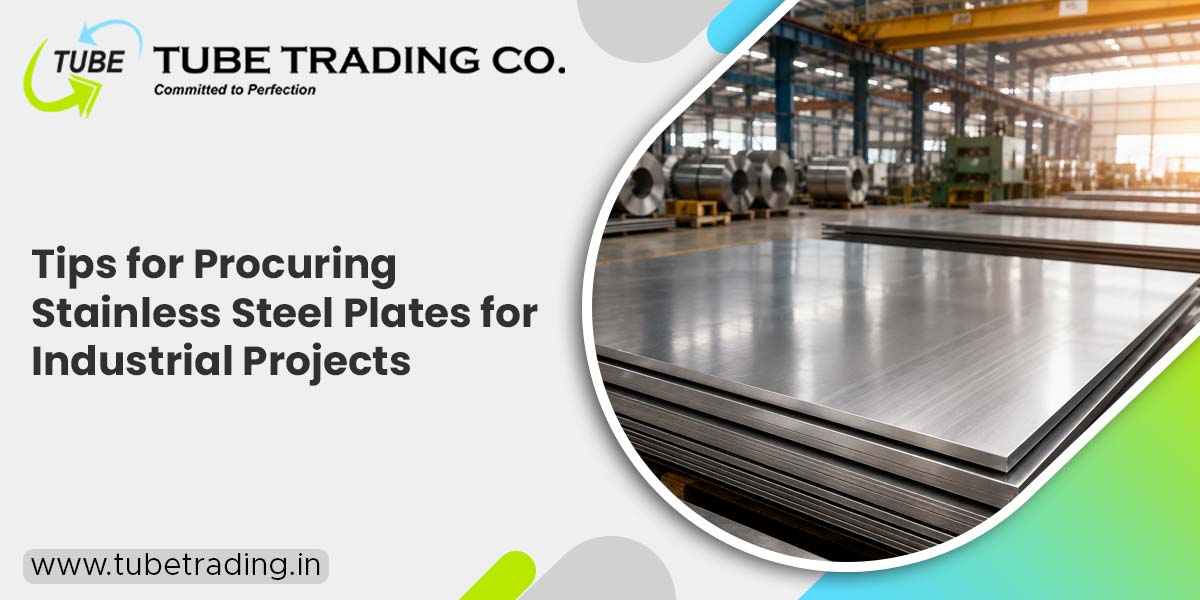
A wrong plate can delay work, raise costs, and create stress across the whole site. Many buyers tell us the problem often begins with one missed detail. Choosing an SS PLATES Dealer in India takes more care than comparing prices. At Tube Trading Co., we help you look beyond the quote. We focus on where the plate will work, what it must handle, and how long it should last.
Start With the Working Conditions:
Before requesting prices, take a close look at the work site. Will the plates face moisture, salt, heat, chemicals, or heavy loads? These facts shape every choice that follows. An SS PLATES Supplier in India needs this information before suggesting a grade. Without clear facts, even good steel may fail sooner than expected.
We’ve seen this happen often. A plate looks fine during fitting, yet rust marks appear within months. Sometimes the grade cannot cope with the work setting. Tube Trading Co. asks about heat, pressure, cleaning methods, and chemical contact. These questions may feel basic, but each answer helps prevent an expensive mistake.
Share These Details Before Asking for a Quote
A clear request saves time for everyone. It also reduces changes after the order has moved ahead. Include these points in your first enquiry:
- Required stainless steel grade
- Plate thickness, width, and length
- Total quantity or plate count
- Surface finish and edge needs
- Cutting, bending, or machining needs
- Test certificate needs
- Delivery place and project date
- Packing or export needs
Choose the Grade With Care:
Grade 304 works well for many general uses and offers good rust resistance. Grade 316 contains molybdenum, which gives better protection in salty or harsh settings. Duplex grades offer high strength and suit some demanding jobs. A skilled SS PLATES Exporter in India can help match the grade with the end use.
At first, grade choice may seem like a small part of buying. It is not. A low price can lose its value when plates need early repair. Tube Trading Co. checks the use before discussing the grade. We want the chosen material to support safe work and a longer service life.
Common Grade Choices
Project needs differ, but these grades often appear in buying plans:
- Grade 304: Tanks, food units, kitchen equipment, and general plant work
- Grade 304L: Welded parts needing lower carbon content
- Grade 316: Chemical units, coastal sites, and marine work
- Grade 316L: Welded equipment used in harsh settings
- Duplex 2205: High-load parts exposed to strong rust risks
- Grade 310: Parts working under high heat
Confirm the Standard and Test Papers:
Many people focus on the grade name and forget the standard. Yet a grade can follow ASTM, EN, JIS, or another accepted system. The order should state the exact grade and standard. Ask your SS PLATES Dealer in India for a mill test certificate matching the supplied heat number.
A mill test certificate gives useful facts about chemical content and strength. It helps you check whether the plate meets the order terms. Inspection papers for steel products are covered under ISO 10474. Tube Trading Co. supports clear paper checks because trust grows when every claim can be traced.
Check the Certificate for These Details
Do not file the certificate without reading it. Match these details with your purchase order:
- Grade and product standard
- Heat or batch number
- Chemical test results
- Tensile and yield strength
- Plate size and thickness
- Test date and mill details
- Inspection type, when required
Do Not Ignore Size Tolerance:
A plate marked 10 mm may have an allowed thickness range. Similar limits may apply to width, length, flatness, and edge shape. These small gaps can affect fitting and final weight. Your SS PLATES Supplier in India should confirm the tolerance standard before accepting the order.
Maybe you’ve faced this too. Fabrication starts, but the parts do not align as planned. Workers then spend extra hours grinding, filling, or making changes. Tube Trading Co. reviews size needs at the enquiry stage. This simple check helps keep cutting plans and assembly work on track.
Match the Finish With the End Use:
Surface finish affects appearance, cleaning, grip, and rust resistance. Hot-rolled plates often come with a 1D finish. Other jobs may need polished or brushed surfaces. Discuss the final use with your SS PLATES Exporter in India before choosing a finish based only on looks.
Food and drug units often need a surface that supports easy cleaning. Design work may need a neat, even appearance. Some plant parts only require a sound industrial finish. Tube Trading Co. helps you avoid paying for extra polishing when the job does not need it.
Ask About Surface Protection
A good surface can still suffer during loading or site work. Before dispatch, agree on:
- Protective film needs
- Scratch limits
- Plate-to-plate packing
- Moisture protection
- Lifting and handling methods
- Marking that will not harm the finish
Review Cutting and Fabrication Needs:
Standard plate sizes may create more scrap than expected. Cut-to-size supply can reduce waste and shorten shop work. Ask an SS PLATES Dealer in India about plasma, laser, waterjet, or saw cutting. The right method depends on thickness, finish, edge quality, and final use.
Do you need holes, profiles, rings, or small blanks? Share drawings before placing the order. Add clear units, limits, and edge notes. Tube Trading Co. reviews such details with care because one unclear measurement can spoil several costly plates.
Compare the Full Cost, Not Just the Rate:
The lowest price per kilogram does not always mean the lowest project cost. Scrap, freight, cutting, testing, and delay can change the real figure. A reliable SS PLATES Supplier in India should give a clear cost split, helping you compare offers on equal terms.
We often see buyers feel pushed by a short quote date. That pressure can hide missing items. Take a moment and check what the rate covers. At Tube Trading Co., we prefer a clear offer that states grade, size, quantity, taxes, freight, and dispatch terms.
Build a Fair Price Check:
When you compare quotes, review the same points across each offer:
- Base material rate
- Cutting and machining cost
- Testing or inspection fees
- Packing and freight charges
- Taxes and payment terms
- Scrap or yield loss
- Expected dispatch date
- Claim and replacement terms
Plan Delivery Around the Project:
Steel arriving too early can take up space and cause site damage. Late stock can stop fabrication and affect linked work. Tell your SS PLATES Exporter in India when each batch is needed. Phased dispatch may suit large jobs better than one full shipment.
Packing also needs thought, mainly for long routes and sea movement. Moisture, rough lifting, and weak supports may damage plate edges or surfaces. Tube Trading Co. plans marking and packing around the route, plate size, and handling method. Good packing protects both the material and your schedule.
Inspect the Plates After Arrival:
Inspection should begin before plates enter production. Match plate markings with the order and test certificate. Check the size, finish, edges, flatness, and visible damage. Report any concern to your SS PLATES Dealer in India before cutting or welding begins.
Keep photos of unloading and record each heat number. Store plates on clean supports, away from standing water and carbon steel dust. Do not use dirty tools shared with mild steel. These habits help protect the stainless surface during storage and shop work.
Build a Supply Plan for Repeat Needs:
One order may solve today’s need, but repeat projects require a steadier plan. Share expected grades, sizes, and monthly demand with your SS PLATES Supplier in India. This helps with stock planning and reduces last-minute buying during busy work periods.
At Tube Trading Co., we believe good buying should feel calm and clear. You should know what is arriving, when it will arrive, and which papers will come with it. That peace of mind matters when many people are waiting for the same material.
A Final Word Before You Place the Order:
Stainless steel plates may look simple, but every project asks something different from the material. Grade, size, finish, tests, cutting, and delivery all need equal care. Work with an SS PLATES Exporter in India who listens before quoting and checks the small details.
A few extra questions at the start can prevent weeks of trouble later. Tube Trading Co. supports each order with clear facts, careful checks, and honest talks. When you are ready to discuss your plate needs, we are ready to help you buy with greater confidence.